Retirement is often described as an ending—the closing of a long chapter defined by work, responsibility, and achievement. But for many people, it becomes something far richer: a transition into a new way of living, one that invites presence, curiosity, and meaning. After decades of meeting goals, managing deadlines, and measuring progress through productivity, retirement offers a rare opportunity to slow down and savor life in a way that may never have been possible before.

For forty years or more, work provides structure. It shapes identity, organizes time, and creates a sense of purpose. The rhythm of weekdays and weekends, the satisfaction of completing tasks, and the camaraderie of colleagues all become woven into daily life. When that rhythm suddenly changes, it’s natural to feel both excitement and uncertainty. The transition into retirement is not simply logistical; it is deeply emotional. It requires letting go of an identity built around doing and embracing a new identity built around being.

Savoring this transition begins with giving yourself permission to pause. Instead of rushing to fill every hour with new commitments, retirement invites you to breathe, reflect, and rediscover what matters most. This is a moment to ask questions that may have been pushed aside during busy working years: What brings me joy? What gives my life meaning? What have I always wanted to explore but never had the time for? These questions are not about productivity—they are about purpose.
T.S. Eliot “What we call the beginning is often the end. And to make an end is to make a beginning.”

One of the most powerful aspects of retirement is the freedom to choose how to spend your time. Without the constraints of a work schedule, days can be shaped around personal values rather than professional demands. Some people find meaning in creative pursuits—painting, writing, gardening, or learning a musical instrument. Others discover fulfillment in volunteering, mentoring, or contributing to their communities in ways that feel deeply aligned with their beliefs. Still others savor simple pleasures: long walks, quiet mornings, travel, or time with family and friends. There is no single “right” way to retire; the beauty lies in crafting a life that feels authentic.
Another important part of savoring the transition is embracing connection. Work often provides built‑in social networks, and retirement can feel isolating if those connections fade. Cultivating new relationships—through clubs, classes, faith communities, or shared hobbies—helps create a sense of belonging. These connections enrich daily life and remind us that meaning is often found in relationships rather than accomplishments.
Ultimately, retirement is not an ending but a transformation. It is a shift from striving to savoring, from meeting expectations to creating meaning on your own terms. It is a chance to honor the years of dedication that brought you here while stepping into a future filled with possibility. When approached with openness and intention, retirement becomes a deeply rewarding chapter—one defined not by what you leave behind, but by what you choose to embrace.
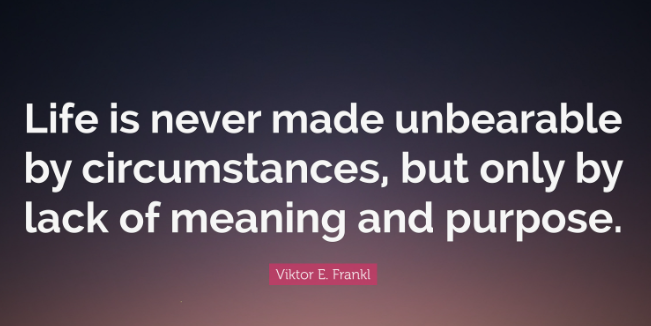
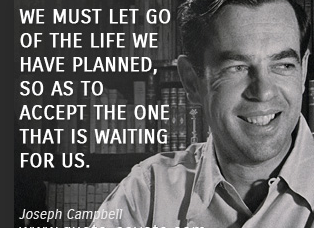
The transition into retirement is often described by authors and thinkers as a meaningful shift from achievement to fulfillment. Writers like C.S. Lewis and George Eliot emphasize that new dreams and personal growth remain possible at any age, reinforcing the idea that retirement is a beginning rather than an ending. Philosophers such as Viktor Frankl and Joseph Campbell highlight the importance of purpose, suggesting that meaning comes from within and that embracing change opens the door to a more authentic life.
Other authors, including Thoreau and Emerson, encourage slowing down and savoring everyday moments—an idea that aligns naturally with the freedom retirement brings. Carl Jung reminds us that the “afternoon of life” requires a different mindset than earlier years, while Robert Browning and Seneca frame aging as an opportunity for continued learning and joy.
Together, these voices paint retirement as a rich, transformative chapter—one where individuals can savor time, rediscover passions, deepen relationships, and create meaning on their own terms.